How to Remove a Tick Safely: The UK Walker’s Guide
- August 27, 2026
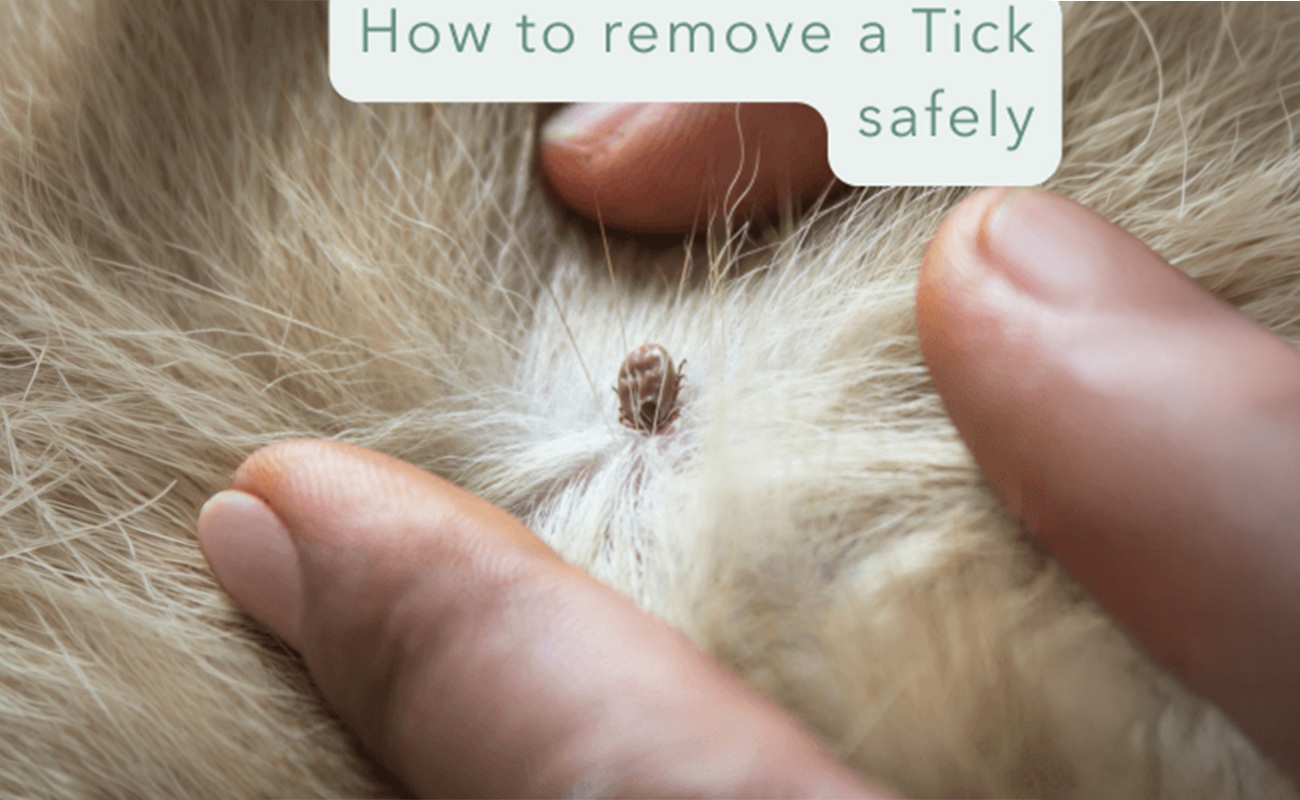
Finding a tick on yourself or your child is unsettling. It does not need to be. Removed properly and promptly, most UK tick bites cause nothing worse than a small itchy mark that fades over a few days.
What NOT to do
There is a lot of folklore around tick removal, and most of it makes things worse.
Do not burn a tick off with a match. Do not smother it in Vaseline, alcohol, essential oil or nail polish. All three cause the tick to regurgitate stomach contents into the wound.
Do not squeeze the body of the tick. Do not twist it out with your fingers.
What you need
A fine-tipped pair of tweezers, or ideally a purpose-designed tick-removal tool. Both are available at any UK outdoor shop, most pharmacies and online. Keep one in your first-aid kit and one in the car if you walk regularly. Also: antiseptic cream or wipe.
Step-by-step removal
- Wash your hands.
- Grasp the tick with fine-tipped tweezers as close to the skin as possible. Grip the head and mouthparts, not the body.
- Pull steadily upward with even pressure. Do not twist. Do not yank. Steady upward pressure lifts the tick out mouthparts and all, usually within a few seconds.
- If using a tick-removal tool, slide the notch over the tick from the side and rotate gently in the direction the packaging shows.
- Clean the bite area with antiseptic. Wash your hands again.
- Kill the tick by flushing, sealing in tape and binning, or freezing. Do not crush it between your fingers.
If part of the tick is left behind
Do not dig for it. Clean the area with antiseptic and let the skin push the fragment out naturally over the following days. If the area becomes noticeably red, swollen or hot, see your GP.
What to record
Take a photo of the bite on your phone. Note the date, the location where you were walking, and roughly when the tick could have climbed on. This helps your GP if symptoms develop later.
What to watch for over the following weeks
A spreading circular red rash around the bite, sometimes with a paler ring in the middle (bulls-eye appearance). Called erythema migrans, it typically appears 3 to 30 days after a bite and can be up to 30 cm across. The most well-known early sign of Lyme disease.
Flu-like symptoms in the weeks after a bite: fatigue, joint pain, headaches, muscle aches, fever or chills.
Either means contact your GP promptly, mention the tick bite, and ask about Lyme testing or treatment. Early antibiotic treatment is highly effective.
Not every tick carries Lyme. Not every bite from a carrier transmits. But knowing the signs and being ready to act is the best insurance any UK walker can carry.
Removing a tick from a child
Steps are the same. Talk them through it calmly. Sit them still on a bed or sofa. If the tick is in an awkward spot (hairline, near the eye, groin) and you do not feel confident, take them to a pharmacy, minor injuries unit or GP surgery.
Reduce the odds you need this guide again
Add TickFree to your walking kit. Tuck long trousers into socks. Wear closed footwear. Stick to the middle of paths on bracken slopes. Do a tick check within an hour of every walk.
Ready to walk prepared? Shop TickFree and keep a tick-removal tool in your first-aid kit.
The Naturally Kind Co. It Really Works.


