Tick Season in the UK: When Biting Peaks and Where to Be Careful
- August 26, 2026
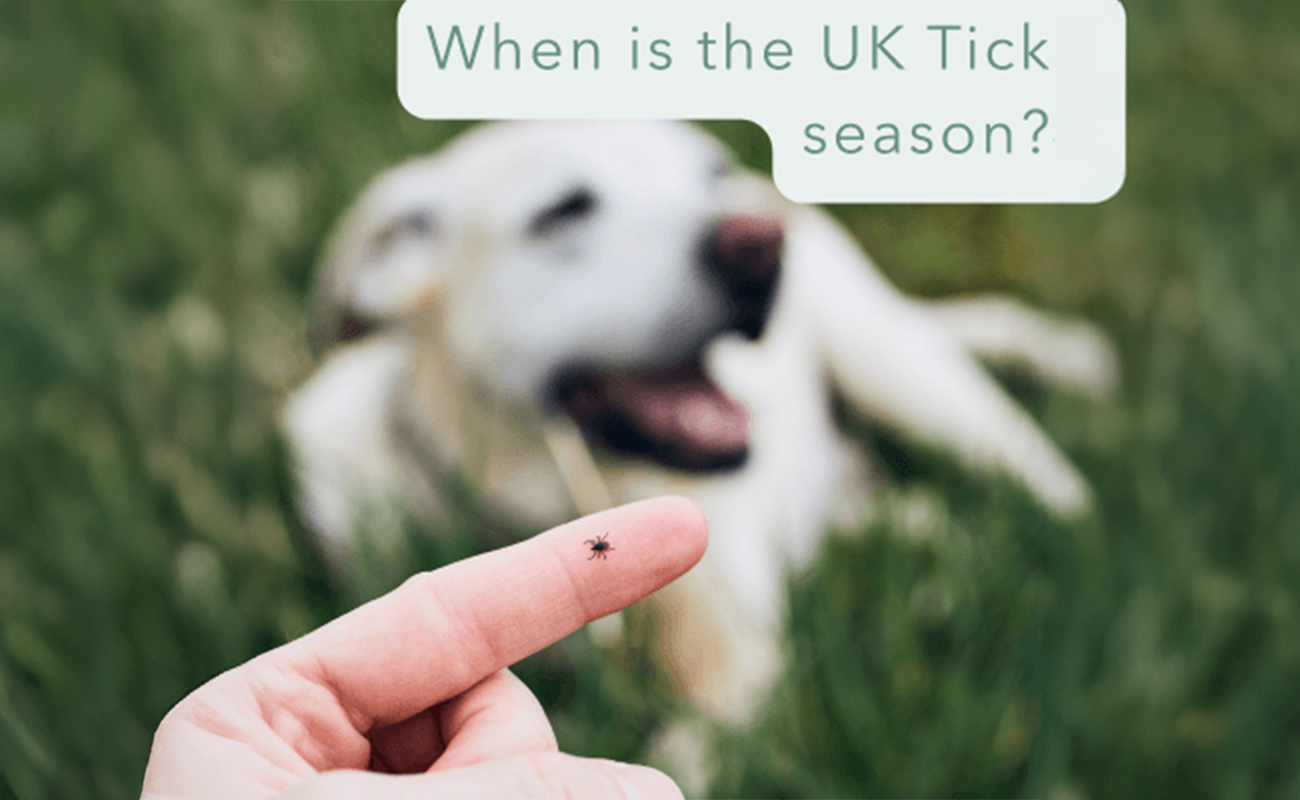
Ticks in the UK are on the rise. Warmer, wetter conditions, expanding deer populations and the huge growth in outdoor recreation have combined to push tick activity into more of the calendar and more of the country.
When is tick season in the UK?
Tick season stretches from March through November, with two peaks. The first and largest is spring, April through June, when adult ticks emerge to feed after winter. The second peak is late summer into autumn, August through October, when nymphs (the smaller, harder-to-spot life stage) are highly active.
In a mild winter, ticks can remain active through December in warmer parts of southern England. UK tick protection is no longer a summer-only concern.
Time of day and weather
Ticks quest throughout daylight hours. What changes activity is weather, not time of day. Warm, damp conditions are prime tick weather. A mild, wet spring day after rain is the busiest window; a cold, dry, windy day is not.
Where in the UK are ticks worst?
The Scottish Highlands are the highest-risk area, with dense populations across heather moorland, deer stalking country and forestry. Treat every day out there as a tick day.
The Lake District, Yorkshire Dales, North York Moors and Peak District all carry high densities on bracken slopes and woodland edges.
Wales, especially mid-Wales and Snowdonia, carries high exposure across upland routes.
The New Forest, South Downs and Exmoor are the highest-density southern English areas.
Suburban parks and gardens backing onto woodland carry ticks too, at meaningfully lower risk.
The habitats where ticks find you
Long grass. Bracken slopes, especially old leggy bracken. Woodland edges. Heather moorland with deer populations. Riverbanks and stream sides. If your walk crosses several, treat the whole walk as a tick walk.
Who is most exposed?
Everyone in a walking family, but children and dogs pick up more ticks. They are closer to the ground where ticks are questing, and more likely to sit, kneel or lie on it during a walk. Factor extra tick checks into the routine.
TickFree was developed for dogs and is a tick prevention product; it is not a treatment for tick bites.
Planning a family walk
Before: apply TickFree to legs, ankles, sock line, waistband and any exposed skin below the knee. Long trousers tucked into socks, closed footwear, light-coloured clothing. Apply to dogs’ legs, belly, ears and brushing areas.
During: stick to the middle of the path on bracken slopes. Avoid sitting in long grass; use a groundsheet.
Within an hour of finishing: take clothes off and check the classic spots. Help children with harder-to-see ones. Check your dog’s fur. Warm shower.
If you find one
Remove promptly with fine-tipped tweezers or a purpose-designed tick tool. Grasp close to the skin, pull steadily upward, do not twist. Clean with antiseptic. Watch for a spreading circular rash or flu-like symptoms in the following weeks; if either appears, see your GP. Our dedicated tick-removal blog walks through the steps.
Ready to walk prepared? Shop TickFree.
The Naturally Kind Co. It Really Works.


